:::::::::::::::::::::::::::::::::::::::::::::::::::::::::::::::::::::::::::::::::::::::::::::::::::::
He had been tending his many orchards for many years. Getting older, things got more difficult and one by one, he had to cut down the many trees in his orchards.
Today I observed the old farmer below in my valley :
winter cold -
he felled his last
apple tree
Winterkälte -
er fällt den letzten
Apfelbaum
:::::::::::::::::::::::::::::::::::::::::::::::::::::::::::::::::::::::::::::::::::::::::::::::::::::
The sad reality of rural Japan 2007, where the old get older rapidly and there are no young ones to take over. So the weeds, badgers and wild boars thrive ...
Read my Haiku Archives from January 2007
***************************
BACK
To the Daruma Museum Index
To the World Kigo Database
1/27/2007


1/22/2007
Mandala Plate
 winter's eve - the mandala on my dinner plate  |
More about Mandala and Haiku
More about my Pottery and Haiku
Read my Haiku Archives from January 2007
:::::::::::::::::::::::::::::::::::::::::::::::::::::::::::::::::::::::::::::::::::::::::::::::::::::
[ . BACK to DARUMA MUSEUM TOP . ]
[ . BACK to WORLDKIGO . TOP . ]
:::::::::::::::::::::::::::::::::::::::::::::::::::::::::::::::::::::::::::::::::::::::::::::::::::::
Heron in Temple
| 寺の冬 鷺も餌に つかぬもの  winter in the temple - even the heron can get no food |
I dedicate this haiku to all the water birds who lost their natural habitat thanks to the activities of the human race.
My Article about
Takano Shrine 高野神社
Heron and Egret (aosagi, shirosagi), Kigo for Haiku
Read my Haiku Archives from January 2007
***************************
BACK
To the Daruma Museum Index
To the World Kigo Database
1/17/2007
Mouse and Bread
| winter morning - this mouse here nibbles my breakfast bread  Wintermorgen - die Maus knabbert mein Frü..stücksbrot |
Usually my husband bakes the bread himself, but this one was sent by a friend, full of holes ... not good to spread the butter on it for breakfast ...
so the plate with the mouse came in handy !

. Shibata Zeshin 柴田是真 .
(1806 - 1891)
.......................................................................
Read my Article about
Oil Dishes and Oribe
aburazara 油皿
Oil Dish with Daruma

- Read my Haiku Archives
. Andon lanterns 提灯 .
:::::::::::::::::::::::::::::::::::::::::::::::::::::::::::::::::::::::::::::::::::::::::::::::::::::
[ . BACK to DARUMA MUSEUM TOP . ]
[ . BACK to WORLDKIGO . TOP . ]
:::::::::::::::::::::::::::::::::::::::::::::::::::::::::::::::::::::::::::::::::::::::::::::::::::::
1/16/2007
Carpet Meditation
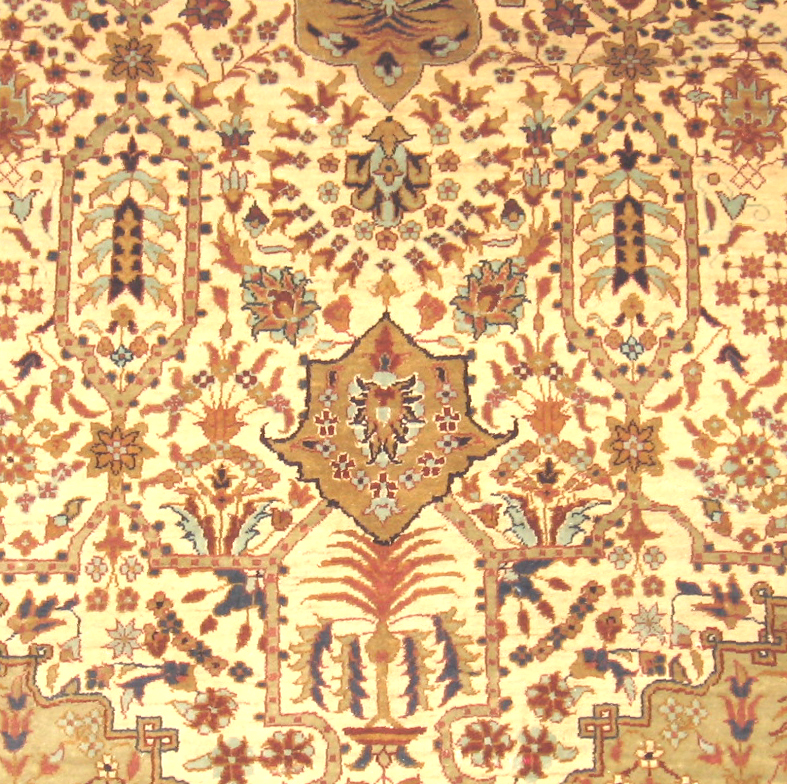  winter morning meditation - the mind crawls along carpet patterns 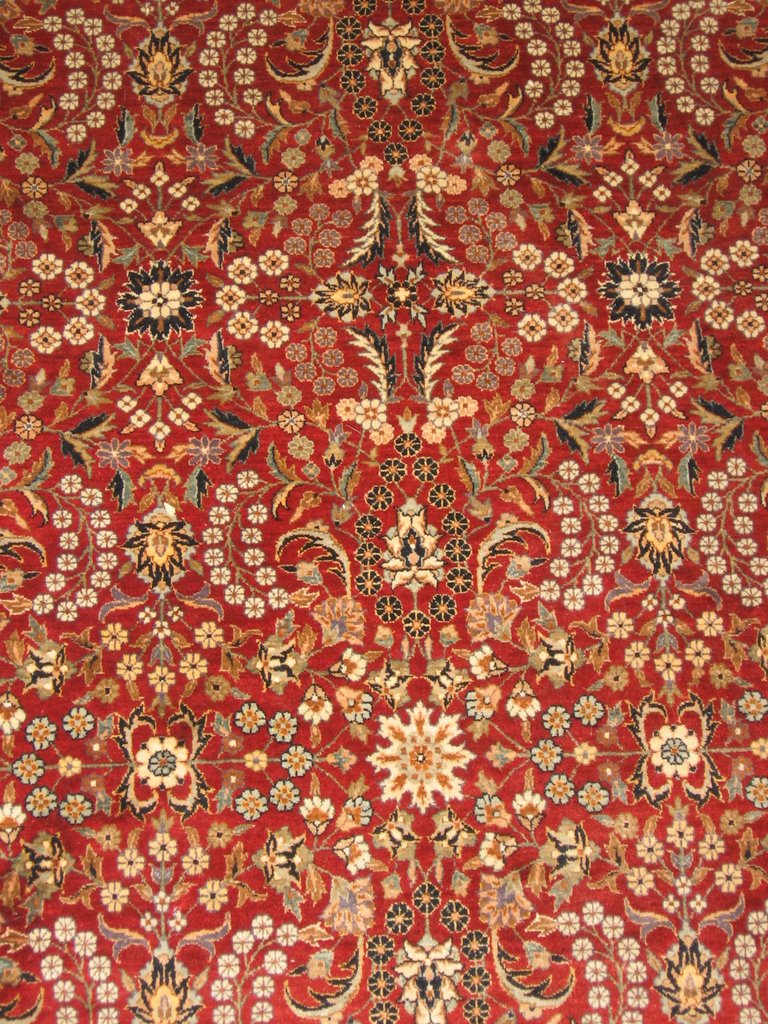  |
Sitting on my Chinese silk carpet in winter,
keeps the bottom warm but ...
.................... alternative haiku versions
meditating in winter -
the mind crawls along
carpet patterns
morning meditation -
the meditating mind crawls
along carpet patterns
After toying a bit with my photoshop, I came up with another version.... :o)
..... LOOK HERE ! Carpet Meditation 02 .....
::::::::::::::::::::::::::::::::::::::::::::::::::::::::::::::::::::::::::::::::::::::::::::::::::::
... My Asian Haiku Travelogue ...
... Meditation (dhyana) and haiku
:::::::::::::::::::::::::::::::::::::::::::::::::::::::::::::::::::::::::::::::::::::::::::::::::::::
Carpet, Rug .. juutan dantsuu
KIGO FOR ALL WINTER
How many details in a haiku?
(June 2009)
In Japanese, I learned to pack in as much as possible into the 5 7 5 pattern. It should paint a clear picture for the reader to enable him/her to be there with me and enjoy the situation with me. So I do not want to produce a riddle which gets the logical mind of the reader trying to figure out the basics and thus loose me in my moment of the image.
In the above haiku, winter morning meditation ... truely a bit long
BUT
meditation ... this word alone would get the reader into a general mood, philosophizing about meditation in general.
morning meditation ... now the reader can be with me, still half asleep, hungry before breakfast, but at least listening the the birdsong in the morning.
winter morning ... now the reader can be with me sitting in a cold atmosphere, being mostly miserably shivering with bare feet ... have you ever been to a Japanese temple on a cold winter morning, sitting with bare feet ?
Basho tells us about an old pond and a frog, all very clear and simple.
Or about a crow on a branch in autumn, nothing spectacular, but very clear.
morning meditation ...
the mind crawls along
carpet patterns
In English language haiku, things are different ... from minimalist to one line to five lines, the form is not a guideline any more ...
without kigo, so we do not know wheather to feel hot or cold within the given situation ...
and many riddles and ambiguities are presented to jumpstart the logic and take us away from a clear picture ...
So I am back to my problem,
how many details should we pack into an English language haiku so that the reader is able to share our situation at the first reading?
and maybe add a short footnote to take care of cultural differences that are indeed particular to our area?
:::::::::::::::::::::::::::::::::::::::::::::::::::::::::::::::::::::::::::::::::::::::::::::::::::::
Read a discussion of this problem
Hi Gabi!
>> winter morning meditation ...
>> the mind crawls along
>> carpet patterns
>>
>> When I wrote this, it had not occured to me to check for a better
>> kigo, only later did I find that CARPET was a winter kigo.
I think it's okay to have two kigo because this is an English-language haiku, and many of us would not think of carpet as a purely winter image and indicator of a season.
>> How many details should we put in a haiku?
Put as many as you can and then start eliminating them and only stop when it either doesn't make sense or it's a 'so what haiku'.
>> Haiku is not for you only, but to share with others. So your haiku
>> must be understandable at first reading ... that is what my Japanese
>> teacher told me many times.
There's the nub of it, what your teacher said stands not only for haiku but for poetry as a whole. It's a good template to start with.
>> In the above haiku, winter morning meditation ... truely a bit long
>> morning meditation ...
>> the mind crawls along
>> carpet patterns
For me this loses the power of your original haiku. If the poem was put into Japanese it might work with carpet as a winter kigo, but in English, this isn't the ooomph of your original poem.
>> In English language haiku, things are different ... from minimalist
>> to one line to five lines, the form is not a guideline any more ...
>> without kigo, so we do not know whether to feel hot or cold within
>> the given situation ...
Good points, which is why I feel the word 'winter' needs to stay. In the west 'winter' has so many connotations, from Wenceslas and Viking songs, to the Green Man, Santa, Christmas presents, even Coca Cola (as they invented the current Santa) to Victorian times and Charles Dickens to cold brutal times of war and starvation.
Without the word 'winter' I just feel a lot of readers might feel it's just someone doing meditation and being distracted by a bit of carpet pattern.
>> So I am back to my problem,
>> how many details should we pack into an English language haiku
>> so that the reader is able to share our situation
>> at the first reading?
I think you cracked it with the version you posted first of all.
>> and maybe add a short footnote to take care of cultural differences
>> that are indeed particular to our area?
I think a footnote would be overkill, but it might be interesting for some readers, especially if you brought out a book.
This could be an intriguing haiku to use for one of the problems of using
kigo. It sounds like a good chapter for that book Gabi! ;-)
Thank you so much, my friend!
But NO, no book in the near future!
:::::::::::::::::::::::::::::::::::::::::::::::::::::::::::::::::::::::::::::::::::::::::::::::::::::
Some more friends shared their views.
"Details that inform, rather than imply and evoke, should generally be excluded or excised."
B.
"but the whole point of choosing cues is to choose cues that both inform and invoke, like space and negative space
frogs in a pond denote and connote and suggest
and they are transformed in their absence into sounds
all suggestive, all implying levels of evocation that move out like the rings in the pond when you skip a smooth stone across it
details both palpable and evocative, both definitive and metaphorical
storms below, the milky way and galaxies above and beyond"
I.
:::::::::::::::::::::::::::::::::::::::::::::::::::::::::::::::::::::::::::::::::::::::::::::::::::::
Read my Haiku Archives
[ . BACK to DARUMA MUSEUM TOP . ]
[ . BACK to WORLDKIGO . TOP . ]
:::::::::::::::::::::::::::::::::::::::::::::::::::::::::::::::::::::::::::::::::::::::::::::::::::::
Carpet meditation (2)

meditating in winter -
carpet patterns distort
the mind

meditating in winter -
the mind distorts
carpet patterns
:::::::::::::::::::::::::::::::::::::::::::::::::::::::::::::::::::::::::::::::::::::::::::::::::::::
Carpet Meditation, the real one !
Thanks to Adobe Photo Shop, Uzumaki, Whirls,
and a long rainy afternoon !
. Carpet Meditation (1)
.................. :o)
***************************
Carpet, Rug .. juutan dantsuu
KIGO FOR ALL WINTER
BACK
To the Daruma Museum Index
To the World Kigo Database
:::::::::::::::::::::::::::::::::::::::::::::::::::::::::::::::::::::::::::::::::::::::::::::::::::::
1/14/2007
Wintersweet roobai
:::::::::::::::::::::::::::::::::::::::::::::::::::::::::::::::::::::::::::::::::::::::::::::::::::::
evening sunshine -
a wintersweet glows
on a bare branch

wintersweet -
looking for a right
on the wrong side
:::::::::::::::::::::::::::::::::::::::::::::::::::::::::::::::::::::::::::::::::::::::::::::::::::::
Wintersweet (roobai) Japan 蝋梅
Read my Haiku Archives from January 2007
***************************
BACK
To the Daruma Museum Index
To the World Kigo Database
:::::::::::::::::::::::::::::::::::::::::::::::::::::::::::::::::::::::::::::::::::::::::::::::::::::
evening sunshine -
a wintersweet glows
on a bare branch

wintersweet -
looking for a right
on the wrong side
:::::::::::::::::::::::::::::::::::::::::::::::::::::::::::::::::::::::::::::::::::::::::::::::::::::
Wintersweet (roobai) Japan 蝋梅
Read my Haiku Archives from January 2007
***************************
BACK
To the Daruma Museum Index
To the World Kigo Database
:::::::::::::::::::::::::::::::::::::::::::::::::::::::::::::::::::::::::::::::::::::::::::::::::::::
1/12/2007
Two Owls Love
:::::::::::::::::::::::::::::::::::::::::::::::::::::::::::::::::::::::::::::::::::::::::::::::::::::
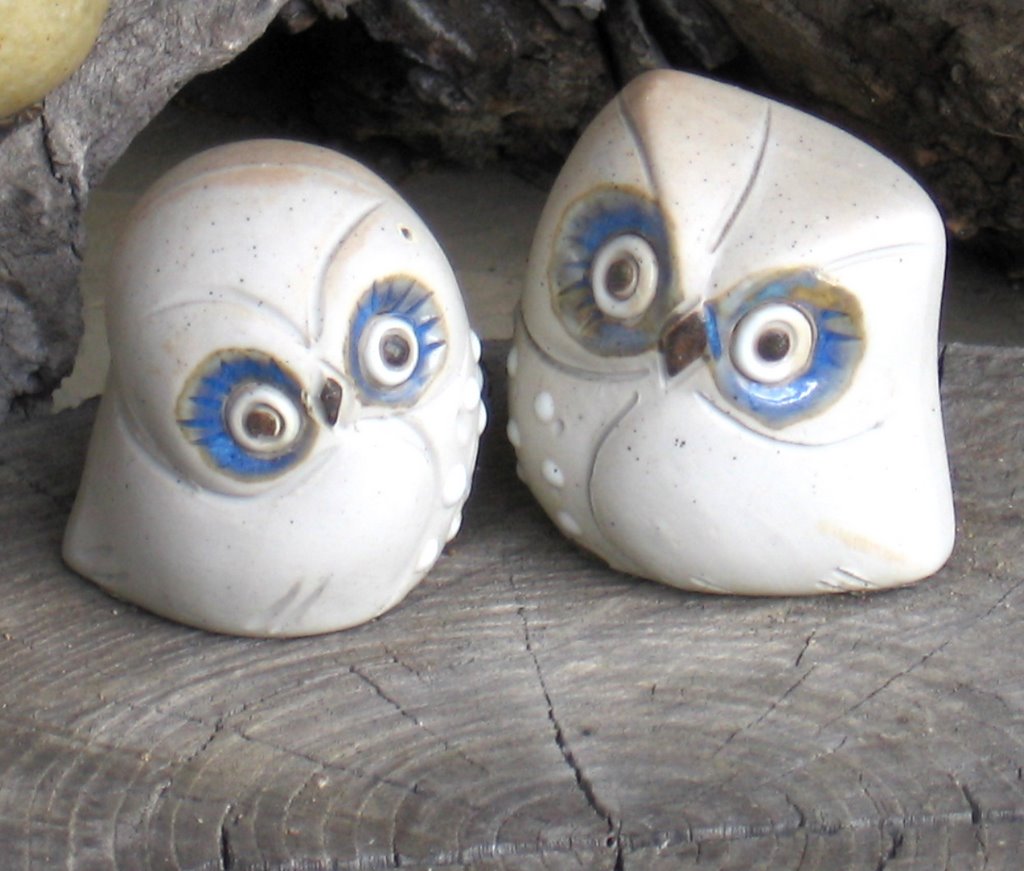
two owls
on the same old branch -
good couple's day

zwei Eulen
auf dem gleichen Ast -
Tag der guten Ehepaare
:::::::::::::::::::::::::::::::::::::::::::::::::::::::::::::::::::::::::::::::::::::::::::::::::::::
Couple's Day (fuufu no hi 夫婦の日) ... February 2
Read my Haiku Archives from December 2006
***************************
BACK
To the Daruma Museum Index
To the World Kigo Database
two owls
on the same old branch -
good couple's day
zwei Eulen
auf dem gleichen Ast -
Tag der guten Ehepaare
:::::::::::::::::::::::::::::::::::::::::::::::::::::::::::::::::::::::::::::::::::::::::::::::::::::
Couple's Day (fuufu no hi 夫婦の日) ... February 2
Read my Haiku Archives from December 2006
***************************
BACK
To the Daruma Museum Index
To the World Kigo Database
1/10/2007
Thai Roofs
  looking up in the summer sky - the temple roofs  |
my Photo Album
Thailand 1980
Read my Haiku Archives from January 2007
***************************
Please send me your contributions
To the Daruma Museum Index
To the World Kigo Database
1/09/2007
Stones in Shanghai
 unmovable wisdom in the Chinese park - the season is NOW  |
Dragon Decorations from Shanghai, Trip in 1994
Read my Haiku Archives from December 2006
***************************
Please send me your contributions
To the Daruma Museum Index
To the World Kigo Database

Frozen waterfall
:::::::::::::::::::::::::::::::::::::::::::::::::::::::::::::::::::::::::::::::::::::::::::::::::::::
奥山の 凍て滝の声 響きおり
deep in the mountains -
the frozen waterfall
still roaring

:::::::::::::::::::::::::::::::::::::::::::::::::::::::::::::::::::::::::::::::::::::::::::::::::::::
Kannon Waterfall, 観音の滝
waterfall iced up, itetaki 凍滝
More kigo about freezing and frozen things
:::::::::::::::::::::::::::::::::::::::::::::::::::::::::::::::::::::::::::::::::::::::::::::::::::::
But then, maybe I was thinking of the retired politician who moved to the mountain village.
Or our neighbours dog getting real old lately ...
:::::::::::::::::::::::::::::::::::::::::::::::::::::::::::::::::::::::::::::::::::::::::::::::::::::

In a tradition that stretches back 700 years, local farmers in Hanamaki, Iwate prefecture measure the circumference of the frozen waterfall at Taroshi Falls to predict the yield of the year’s rice crop.
According to the conservation group that has kept track of the measurements since 1975, the largest measurement on record is 8 meters, taken in 1978. Warm winters in recent years have caused the ice to break apart, sometimes making it impossible to get an accurate measurement. This year, however, the frozen waterfall measures in at a respectable 5.5 meters, surpassing the 4-meter mark that indicates a plentiful harvest.
Hiroshi Itagaki, 74, head of the conservation group, says, “With all the depressing news about this year’s heavy snow, I hope this can serve as a message of hope for the country.” The conservation group’s mantra is a haiku which translates:
so magnficent —
this icicle before us
bulging with promise
© [Source: Asahi Shimbun]
:::::::::::::::::::::::::::::::::::::::::::::::::::::::::::::::::::::::::::::::::::::::::::::::::::::
Read my Haiku Archives from December 2006
***************************
To the Daruma Museum Index
To the World Kigo Database
奥山の 凍て滝の声 響きおり
deep in the mountains -
the frozen waterfall
still roaring

:::::::::::::::::::::::::::::::::::::::::::::::::::::::::::::::::::::::::::::::::::::::::::::::::::::
Kannon Waterfall, 観音の滝
waterfall iced up, itetaki 凍滝
More kigo about freezing and frozen things
:::::::::::::::::::::::::::::::::::::::::::::::::::::::::::::::::::::::::::::::::::::::::::::::::::::
But then, maybe I was thinking of the retired politician who moved to the mountain village.
Or our neighbours dog getting real old lately ...
:::::::::::::::::::::::::::::::::::::::::::::::::::::::::::::::::::::::::::::::::::::::::::::::::::::
In a tradition that stretches back 700 years, local farmers in Hanamaki, Iwate prefecture measure the circumference of the frozen waterfall at Taroshi Falls to predict the yield of the year’s rice crop.
According to the conservation group that has kept track of the measurements since 1975, the largest measurement on record is 8 meters, taken in 1978. Warm winters in recent years have caused the ice to break apart, sometimes making it impossible to get an accurate measurement. This year, however, the frozen waterfall measures in at a respectable 5.5 meters, surpassing the 4-meter mark that indicates a plentiful harvest.
Hiroshi Itagaki, 74, head of the conservation group, says, “With all the depressing news about this year’s heavy snow, I hope this can serve as a message of hope for the country.” The conservation group’s mantra is a haiku which translates:
so magnficent —
this icicle before us
bulging with promise
© [Source: Asahi Shimbun]
:::::::::::::::::::::::::::::::::::::::::::::::::::::::::::::::::::::::::::::::::::::::::::::::::::::
Read my Haiku Archives from December 2006
***************************
To the Daruma Museum Index
To the World Kigo Database
1/07/2007
Blizzard
:::::::::::::::::::::::::::::::::::::::::::::::::::::::::::::::::::::::::::::::::::::::::::::::::::::

blizzard <>
one million snow flakes and then
one more
:::::::::::::::::::::::::::::::::::::::::::::::::::::::::::::::::::::::::::::::::::::::::::::::::::::
One of my teachings in Japanese Archery was to practise :
yuki no metsuke 雪の目つけ
watching the snow fall,
then watching just one flake fall,
all the way from high up
to its very end on the ground.
Try it, it is quite a feat !
Sit outside on your veranda in the cold and just watch
one flake, one flake one more flake !
:::::::::::::::::::::::::::::::::::::::::::::::::::::::::::::::::::::::::::::::::::::::::::::::::::::
Zen Priest Takuan teaches:
"When facing a single tree, if you look at a single one of its red leaves, you will not see all the others.
When the eye is not set on any one leaf, and you face the tree with nothing at all in mind, any number of leaves are visible to the eye...
The mind that stops or is moved by something-
this is the affliction of the abiding place."
:::::::::::::::::::::::::::::::::::::::::::::::::::::::::::::::::::::::::::::::::::::::::::::::::::::
..................................................................................... A little later in the day
a yellow puddle
in the white snow <>
Haiku took courage
our cats loath the snow, they can not go around their business as usual ...
finally, Boss Haiku just did it !
Thus endeth a blizzard and dissolves in sunshine
snow melting <>
one million drips and
drops
:::::::::::::::::::::::::::::::::::::::::::::::::::::::::::::::::::::::::::::::::::::::::::::::::::::
Fast Forward to March 9, 2012

Leaves look damp and cold,
Listening to the frost grow -
Soon branches will crack...
Gabi San-
This is actually a famous saying in kyudo.
A student ask his sensei when to release the arrow and he received
Listening to the frost grow
to ponder.
kanya choosoo 寒夜聴霜
- Shared by Steve Weiss
Joys of Japan, March 2012
.................................................................................
Advise for Kyudo
期待 - 師範 魚住文衞
一、紀昌貫蝨の伝
大意=小を視ること大の如く、微を視ること著の如し。
二、一分三界の目付け
大意=的を狙うのに一分(〇.三糎)の小さい的を三千世界(宇宙)のように大きく見開くこと
三、雪の目付け
大意=動く標的を狙う場合に、空から降る無数の雪の一片が地に落ちるまで見失わないように精神を集中せよ。
四、寒夜聴霜
大意=寒中の真夜中に結霜する音(無音の音)を聴きとるように澄み切った心境で行射せよ。
五、七情を除去せよ
大意=人間の七情(喜、怒、憂、思、悲、恐、驚)を去って精神を一射に集中せよ
六、無念無想
大意=概ね同前
source : kyudo/kantougensyuu
:::::::::::::::::::::::::::::::::::::::::::::::::::::::::::::::::::::::::::::::::::::::::::::::::::::
Read my Haiku Archives
[ . BACK to DARUMA MUSEUM TOP . ]
[ . BACK to WORLDKIGO . TOP . ]
:::::::::::::::::::::::::::::::::::::::::::::::::::::::::::::::::::::::::::::::::::::::::::::::::::::

blizzard <>
one million snow flakes and then
one more
:::::::::::::::::::::::::::::::::::::::::::::::::::::::::::::::::::::::::::::::::::::::::::::::::::::
One of my teachings in Japanese Archery was to practise :
yuki no metsuke 雪の目つけ
watching the snow fall,
then watching just one flake fall,
all the way from high up
to its very end on the ground.
Try it, it is quite a feat !
Sit outside on your veranda in the cold and just watch
one flake, one flake one more flake !
:::::::::::::::::::::::::::::::::::::::::::::::::::::::::::::::::::::::::::::::::::::::::::::::::::::
Zen Priest Takuan teaches:
"When facing a single tree, if you look at a single one of its red leaves, you will not see all the others.
When the eye is not set on any one leaf, and you face the tree with nothing at all in mind, any number of leaves are visible to the eye...
The mind that stops or is moved by something-
this is the affliction of the abiding place."
:::::::::::::::::::::::::::::::::::::::::::::::::::::::::::::::::::::::::::::::::::::::::::::::::::::
..................................................................................... A little later in the day
a yellow puddle
in the white snow <>
Haiku took courage
our cats loath the snow, they can not go around their business as usual ...
finally, Boss Haiku just did it !
Thus endeth a blizzard and dissolves in sunshine
snow melting <>
one million drips and
drops
:::::::::::::::::::::::::::::::::::::::::::::::::::::::::::::::::::::::::::::::::::::::::::::::::::::
Fast Forward to March 9, 2012

Leaves look damp and cold,
Listening to the frost grow -
Soon branches will crack...
Gabi San-
This is actually a famous saying in kyudo.
A student ask his sensei when to release the arrow and he received
Listening to the frost grow
to ponder.
kanya choosoo 寒夜聴霜
- Shared by Steve Weiss
Joys of Japan, March 2012
.................................................................................
Advise for Kyudo
期待 - 師範 魚住文衞
一、紀昌貫蝨の伝
大意=小を視ること大の如く、微を視ること著の如し。
二、一分三界の目付け
大意=的を狙うのに一分(〇.三糎)の小さい的を三千世界(宇宙)のように大きく見開くこと
三、雪の目付け
大意=動く標的を狙う場合に、空から降る無数の雪の一片が地に落ちるまで見失わないように精神を集中せよ。
四、寒夜聴霜
大意=寒中の真夜中に結霜する音(無音の音)を聴きとるように澄み切った心境で行射せよ。
五、七情を除去せよ
大意=人間の七情(喜、怒、憂、思、悲、恐、驚)を去って精神を一射に集中せよ
六、無念無想
大意=概ね同前
source : kyudo/kantougensyuu
:::::::::::::::::::::::::::::::::::::::::::::::::::::::::::::::::::::::::::::::::::::::::::::::::::::
Read my Haiku Archives
[ . BACK to DARUMA MUSEUM TOP . ]
[ . BACK to WORLDKIGO . TOP . ]
:::::::::::::::::::::::::::::::::::::::::::::::::::::::::::::::::::::::::::::::::::::::::::::::::::::
1/04/2007
Shimenawa
| 注連縄  paper and straw - the new year starts with a clean slate |
Sacred Ropes, shimenawa
Our first Shrine Visit 2007
More Photos
Read my Haiku Archives from December 2006
***************************
Please send me your contributions
To the Daruma Museum Index
To the World Kigo Database
1/03/2007
Red White Lotus
| 紅白の 福をたべるや お正月  eating good luck for the New Year - red and white lotus |
red and white, koohaku 紅白, are the auspicious colors for the New Year and other auspiciuos ceremonies !
Here you have a lotus root colored that way ... tastes great, believe me!
Lotus as a KIGO
Read my Haiku Archives from December 2006
***************************
Please send me your contributions
To the Daruma Museum Index
To the World Kigo Database
Fox Eyes
| 勝山のお稲荷さま  Inari Fox Eyes - I try hard to see the new year ... ... getting bigger ... ... behind bars - he still holds all the secrets  |
:::::::::::::::::::::::::::::::::::::::::::::::::::::::::::::::::::::::::::::::::::::::::::::::::::::
FOX and INARI and HAIKU
Read about my visit to
Katsuyama, a postal town on the old road of Izumo
Here are some more photos from Inari Shrines in Katsuyama
Small Shinto Shrine for a female deity and Inari fox deity
Photos from here to # 91.
Read my Haiku Archives from December 2006
***************************
Please send me your contributions
To the Daruma Museum Index
To the World Kigo Database
1/01/2007
First Smile 2007
| still half asleep on the same pillow - our fist smile  明けましておめでとうございます! 初笑みや |
These two beckoning cats are chopstick rests. The little tails are formed like a bar to lay the chopsticks on them.
May your new year be a blessed one !
Gabi, Bernd, O-Tsu and Haiku-Kun
By the way
First Laugh (hatsu warai) is a kigo for haiku, related to the God of Good Luck, Ebisu.
BACK
Read my Haiku Archives from December 2006
***************************
Please send me your contributions
To the Daruma Museum Index
To the World Kigo Database
First Sun 2007
| 明けましたおめでとうございます! 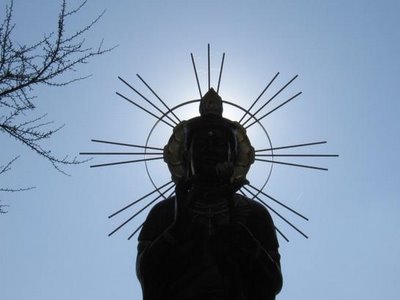 first sun - a ray of hope in every heart erste Sonne - ein Strahl der Hoffnung in jedem Herz |
| 2007 is the year of the Wild Boar Inoshishi 亥 猪  The boars come very close to my home, while we drink our evening beer. twighlight zone - wild boars harvesting the fallen rice You can see it all HERE ! Ricecakes like little wild boars, inoko mochi 猪子餅, 亥の子餅 Calendar Systems of the World |
:::::::::::::::::::::::::::::::::::::::::::::::::::::::::::::::::::::::::::::::::::::::::::::::::::::
Happy New Year !
the nurse drinks tears
in her champagne
New Year's Bath -
a new cake of soap and
a fresh towel
:::::::::::::::::::::::::::::::::::::::::::::::::::::::::::::::::::::::::::::::::::::::::::::::::::::
Do not miss this one !!
Our First Smile 2007 !
BACK
Read my Haiku Archives from December 2006
***************************
Please send me your contributions
To the Daruma Museum Index
To the World Kigo Database
Subscribe to:
Posts (Atom)


 Posts
Posts