10/24/2005

KOAN and Haiku (03)

[ . BACK to WORLDKIGO  TOP . ]
::::::::::::::::::::::::::::::::::::::::::::::::::::::::::::::::::::::::::::::::::::::::::::::::::::: 

Koan and Haiku (03) - 公案と俳句

What is your original face
before your parents were born?


Click HERE to have a peek !!!


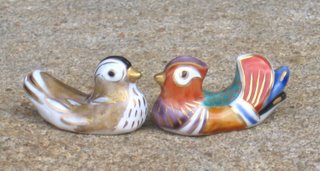
My Daruma and the Original Face

:::::::::::::::::::::::::::::::::::::::::::::::::::::::::::::::::::::::::::::::::::::::::::::::::::::


what was her face -
she never asked
she never asked


. the short life of a white lily
Gabi Greve, August 2010

:::::::::::::::::::::::::::::::::::::::::::::::::::::::::::::::::::::::::::::::::::::::::::::::::::::


元日に生れぬ先の親恋し
ganjitsu ni umarenu saki no oya koishi

on New Year's Day
I long for my parents
before I was born


. Natsume Soseki 夏目漱石 .


- quote
The original face is a term in Zen Buddhism, pointing to the nonduality of subject and object.

The "original face" points to "the nonduality of subject and object":

The phrase "father and mother" alludes to duality. This is obvious to someone versed in the Chinese tradition, where so much philosophical thought is presented in the imagery of paired opposites.
The phrase "your original face" alludes to the original nonduality.
© More in the WIKIPEDIA !


:::::::::::::::::::::::::::::::::::::::::::::::::::::::::::::::::::::::::::::::::::::::::::::::::::::


what was my face
before my forefathers were born?
Seimei Festival

Chen-Ou Liu


. WKD : Seimei Festival, Ching-ming  


:::::::::::::::::::::::::::::::::::::::::::::::::::::::::::::::::::::::::::::::::::::::::::::::::::::


tarachine no umarenu saki no tsuki akari

bright moonlight
before my mother
was even born


Nakagawa Mune-ichi
Tr. Gabi Greve


What is Your Original Face?
by Zen Master Wu Kwang

The word "recovery," according to the dictionary, means regaining something that was either stolen or lost. From a spiritual point of view, what you are actually recovering is your perception of something that you already possess. The thief is yourself, disabling you from seeing what you already possess.

Case number ten in the Mu Mun Kwan, "Cheong Sae is poor," illustrates this idea: A monk, Cheong Sae, approached Zen Master Chosan and said, "Master! I am poor and destitute. Please help me!" Zen Master Chosan, without hesitation, just called out the monk's name: "Cheong Sae!" And the monk, without thinking, responded, "Yes, sir!"
Zen Master Chosan then said, "It is as if you have already drunk three bottles of the best vintage wine in China, and yet act as if you have not even wet your lips."


Basho's famous enlightenment haiku points us in the same direction. Sitting by a pond, he is asked by the Zen Master to give something of his own words, rather than the regurgitated words of the Buddhas and patriarchs.
Basho is stuck.
He sits there for a long time in a sense of stillness or vacancy. All of a sudden, a frog jumps in the pond. Basho's mind opens up and he says: "Still pond, frog jumps in. Splash!"

Still pond, or emptiness, comes to life in the momentary perception of "Splash!", just as it does in Chong Sae's "Yes, sir!" Emptiness and fullness are then two sides of the same coin.

Read a lot more about this subject here:
What is Your Original Face? / Zen Master Wu Kwang

© The Kwan Um School of Zen

:::::::::::::::::::::::::::::::::::::::::::::::::::::::::::::::::::::::::::::::::::::::::::::::::::::


Immortality does not beget wisdom.
Only mortality begets maturity.

.

There are people in this world who have had enough adventures for several lifetimes. They are the closest conception we can have of immortals. Yet some of these people are hopelessly immature. After all, whenever life became difficult for them, they changed to a new path and by luck the new one was always rich and fruitful. Life came so easily that they took more than one helping.

Unfortunately, maturity only comes from the threat of mortality. Success only comes from the threat of failure. Without pressure, we would not plan, utilize wisdom, or exercise care. We realize that we have only a very short time to make an achievement, to prove that our existence was worthwhile, and so we strive harder. An immortal can never conceive of such effort.

It would be good if our religious traditions provided us with a foolproof way through life. After all, we live somewhat haphazardly: Our lives are a tapestry woven of both mistakes and successes. Religion doesn't always provide us with a meaningful pattern. We must make our decisions the best that we can, and as we mature, we can see our way better.

We are motivated by death. We are frightened by failure. We have to make our peace with this mysterious, sometimes hostile world. An immortal does not need to cope with any of this. But we mortals must, and we must strive to make a good showing for ourselves.

© 1995-2005 lisbeth west
http://www.duckdaotsu.org/105/maturity.html

......................................

no need to cope
with immortality <>
just writing haiku


October 29, 2005

:::::::::::::::::::::::::::::::::::::::::::::::::::::::::::::::::::::::::::::::::::::::::::::::::::::

KOAN and Haiku (01) .. 公案と俳句

KOAN and Haiku (02) .. Dreams 夢


. QUOTES . .. .. .. .. .. to enjoy haiku even more


::::::::::::::::::::::::::::::::::::::::::::::::::::::::::::::::::::::::::::::::::::::::::::::::::::: 

[ . BACK to WORLDKIGO  TOP . ]
[ . BACK to DARUMA MUSEUM TOP . ]

::::::::::::::::::::::::::::::::::::::::::::::::::::::::::::::::::::::::::::::::::::::::::::::::::::: 

10/20/2005

Autumn 2005

::::::::::::::::::::::::::::::::::::::::::::::::::::::::::::::::::::::::::::::::::::::

listening
to an incense stick <>
autumn draws deeper

.

if you wonder why I use LISTEN, this is not a mistake or vanguard approach, but a straight translation from the Japanese, where we LISTEN TO INCENSE, koo o kiku !

The smell of incense can be very subtle and faint, so the act of concentrated smelling it is called "listening to incense" (monkoo, bunkoo 聞香)in Japanese.

Read it all here in my article about incense:
http://www.amie.or.jp/daruma/Senkootate.html

and more about incense as a non-seasonal topic in our database
http://indiasaijikiworlkhaiku.blogspot.com/2005/09/incense.html


:::::::::::::::::::::::::::::::::::::::::::::::::::::::::::::::::::::::::::::::::::::::::::::::::::::


先行きの見えぬ暮らしや秋深し


living
in uncertain times -
my autumn deepens


October 25, 2005


:::::::::::::::::::::::::::::::::::::::::::::::::::::::::::::::::::::::::::::::::::::::::::::::::::::

.
> autumn deepens -
> memories fade into
> misty clouds

>
> .
>
> autumn deepens -
> the crows chatter muffled
> by thick fog


October 2005

:::::::::::::::::::::::::::::::::::::::::::::::::::::::::::::::::::::::::::::::::::::::::::::::::::::

WHC World Kigo Database

My Daruma Museum ABC Index

10/12/2005

Cosmos Flowers

[ . BACK to TOP worldkigo . ]
:::::::::::::::::::::::::::::::::::::::::::::::::::::::::::::::::::::::::::::::::::::::::::::::::::::

kigo for mid-autumn

kosumosu コスモス cosmos
akizakura 秋桜(あきざくら) "autumn cherry"


Cosmos bipinnatus. Schmuckkörbchen

:::::::::::::::::::::::::::::::::::::::::::::::::::::::::::::::::::::::::::::::::::::::::::::::::::::

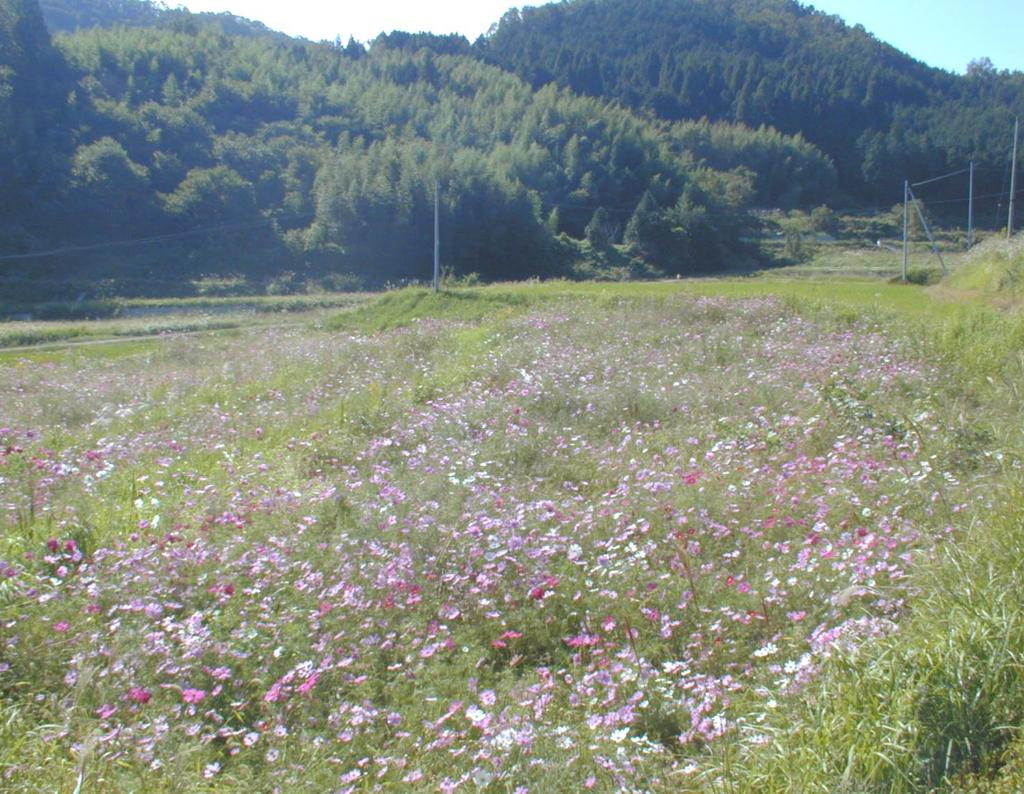
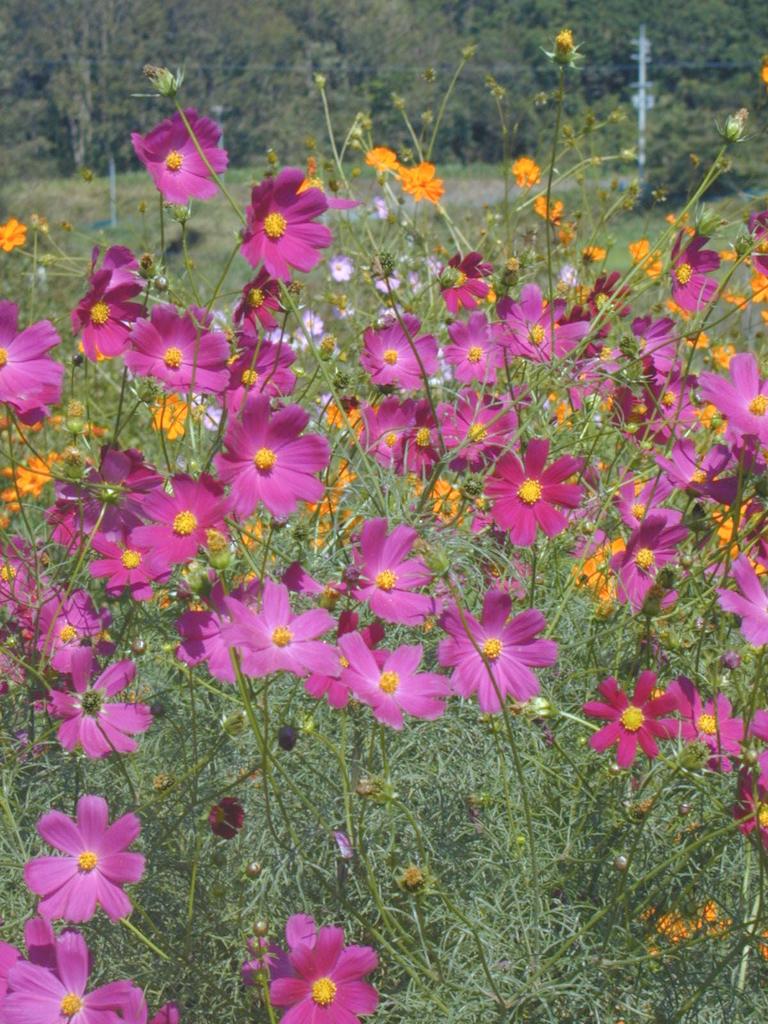
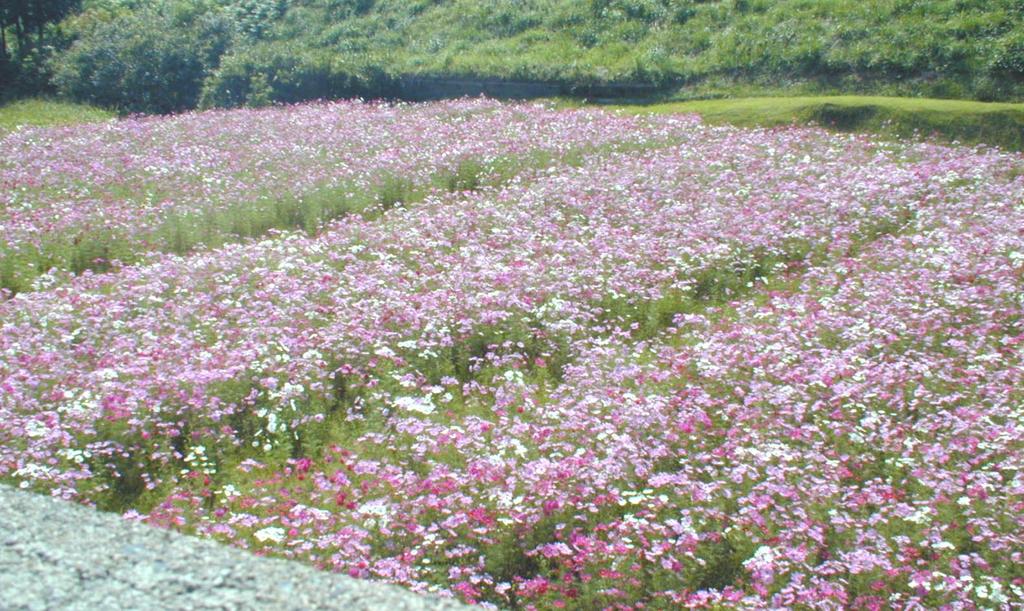
Cosmos Flowers in my Valley


In my Valley, the fallow rice fields are planted with thousands of cosmos to be enjoyed in Autumn.


.............................................................................


A Carpet of Flowers


Leaning toward the sun

:::::::::::::::::::::::::::::::::::::::::::::::::::::::::::::::::::::::::::::::::::::::::::::::::::::


framed for you
a carpet of cosmos
on the wall


:::::::::::::::::::::::::::::::::::::::::::::::::::::::::::::::::::::::::::::::::::::::::::::::::::::

Cosmos Flowers a kigo in the Database


autumn walk -
my smiling neighbours
at the roadside


Ocotber 2009


. dear cosmos !
he points with his finger
at grandma
 

September 2010


Cosmos fields in Ohaga
CLICK on the photo for more !


:::::::::::::::::::::::::::::::::::::::::::::::::::::::::::::::::::::::::::::::::::::::::::::::::::::


so many hues
of cosmoses,
floral cosmoses
for butterflies ~


Narayanan Raghunathan, India


:::::::::::::::::::::::::::::::::::::::::::::::::::::::::::::::::::::::::::::::::::::::::::::::::::::


by Nishimura Hoodoo 西村蒲堂 Nishimura Hodo

::::::::::::::::::::::::::::::::::::::::::::::::::::::::::::::::::::::::::::::::::::::::::::::::::::: 

. WASHOKU
Cosmos ... edible flowers


[ . BACK to WORLDKIGO  TOP . ]
[ . BACK to DARUMA MUSEUM TOP . ]

::::::::::::::::::::::::::::::::::::::::::::::::::::::::::::::::::::::::::::::::::::::::::::::::::::: 

10/11/2005

Stone Wall

[ . BACK to Worldkigo TOP . ]
::::::::::::::::::::::::::::::::::::::::::::::::::::::::::::::::::::::::::::::::::::::::::::::::::::: 


石垣に蜻蛉の蔭の踊りかな

ishigaki ni tonbo no kage no odori kana


old stone wall -
the dancing shadows of
dragonflies


alte Steinmauer -
die tanzenden Schatten
der Libellen


:::::::::::::::::::::::::::::::::::::::::::::::::::::::::::::::::::::::::::::::::::::::::::::::::::::

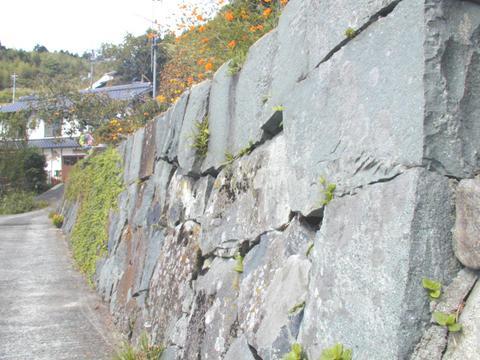
I could not catch the shadows, but I can show you our old stone wall.


Dragonfly (tombo, tonbo) Japan , Kigo in the Database


:::::::::::::::::::::::::::::::::::::::::::::::::::::::::::::::::::::::::::::::::::::::::::::::::::::
:::::::::::::::::::::::::::::::::::::::::::::::::::::::::::::::::::::::::::::::::::::::::::::::::::::

STONE WALL, ishigaki 石垣
a TOPIC for HAIKU


Look at some of my photos!


old stonewalls
flanked by cherry blossoms -
the universe changes


cherryyellowwall

Stone Castle Wall and Cherry BlossomsTsuyama Castle


Castle Wall of Fukuyama Castle

:::::::::::::::::::::::::::::::::::::::::::::::::::::::::::::::::::::::::::::::::::::::::::::::::::::
- quote -
ishigaki 石垣 A dry stone wall.
A retaining stone foundation wall built without binding materials over an inclined earthen embankment. Originally intended to hold a castle embankment in place, the embankment and stone wall together were expected to provide a solid foundation for timber superstructures. When gates, towers and walls came to be built on the embankment, the ishigaki took on a multitude of functions, forming the base and sides of the gates and towers themselves, as well as the foundations for the donjon and moat.

The most frequently used stone for castle walls was andesite anzangan 安山岩, granite kakougan 花崗岩, quartz porphyry sekieihangan 石英斑岩、and gneiss henmagan 片麻岩. Andesite and granite are easy stones to work, and were widely used in Edo period castles.

The best stones for castle walls are considered to be shaped like a short square pillar, roughly two to three times as high as their base length. This type of stone is known as hikae 控え.

The length of a stone is called ishi-no-hikae 石の控え, and the width of the rock face visible on the wall surface is called ishizura 石面 or tsura 面.
A distinction is made between corner stones sumi-ishi 隅石 and those not at corners hira-ishi 平石 or tsuki-ishi 築石. The stones are often named according to their shapes or the way they have been cut.

For example a stone narrowing at one end is called kenchi-ishi 間知石, a cobble stone *tama-ishi 玉石, a chestnut stone used to fill small gaps *kuri-ishi 栗石, hewn stone kiri-ishi 切石, and rough stone *no-ishi 野石. There are a variety of building styles depending on the degree to which the stones are cut and prepared. Some of these styles, in order from the least worked to the most worked stones, are random masonry *ransekizumi 乱石積、burdock masonry *gobouzumi 牛蒡積, natural face masonry *nozurazumi 野面積, pounded and inserted masonry *uchikomihagi 打込矧ぎ, cloth construction *nunozuki 布築, cut inserted masonry *kirikomihagi 切込矧ぎ and tortoise-shell masonry kikkouzumi 亀甲積. Another method of construction, sangizumi 算木積, uses wooden logs to stabilize the stones.

Generally the surface stones of the wall are laid over a base of progressively smaller stones, pebbles, sand and earth to provide greater stability. In wet areas, the foot of the wall rests on a base supported by wooden stanchions to prevent collapse. The angle of the wall's incline varies with the height of the wall: the greater the height, the less steep the incline. According to Ogyuu Sorai's 荻生徂徠 (1666-1728) KENROKU 鈐録 (1727), there are three main shapes of castle wall: 1 walls of 45 degree elevation, called narashi ならし, in which only the topmost stone is completely vertical; 2 walls with a 50 degree elevation and the top 20% vertical; and 3 walls with an incline of about 80 degrees. The wall slopes upwards in a concave curve, with the top 25% completely vertical. Type two are usually pounded and inserted walls uchikomihagi, while type three are cut and inserted masonry kirikomihagi.
The slope of a stone wall is called ishigaki-no-koubai 石垣の勾配 (kobai) or ishigaki koubai 石垣勾配、and the joints between the stones are called meji 目地.
- source: JAANUS : ishigaki 石垣

:::::::::::::::::::::::::::::::::::::::::::::::::::::::::::::::::::::::::::::::::::::::::::::::::::::

. Edo shokunin 江戸の職人 Edo craftsmen .

ishi ku, sekkoo 石工 stone mason


Special groups made the stone walls, others carved stone statues and many more did grave stones.
Stone monuments for temples and shrines were called
miyamono 宮物.

Working on a stone monument with hammer and chisle produced a lot of stone dust and many masons suffered from lung diseases. So the eldest son of a mason was offen assigned different work, and the second and third sons had to do the dusty parts.


source : p.twipple.jp

Cutting stone for a castle wall
and its transportation


:::::::::::::::::::::::::::::::::::::::::::::::::::::::::::::::::::::::::::::::::::::::::::::::::::::

Yellow maple leaves
Crunching and browning on road
Stone wall gently curves


Look also at the photo here
©2007 barbara

:::::::::::::::::::::::::::::::::::::::::::::::::::::::::::::::::::::::::::::::::::::::::::::::::::::


autumn afternoon
hole in the stone wall
a perfect frame


© Nathaniel B. Gach, 2000, USA


:::::::::::::::::::::::::::::::::::::::::::::::::::::::::::::::::::::::::::::::::::::::::::::::::::::

springtime
a couple of chipmunks
in the stone wall


© Kirsty Karkow
Shorelines: Haiku, Haibun and Tanka


:::::::::::::::::::::::::::::::::::::::::::::::::::::::::::::::::::::::::::::::::::::::::::::::::::::
ishikirizushi ishikiri sushi 石切ずし "stone cutters sushi"
stone masons sushi
From Shodoshima. The stones of this island were cut and transported to Osaka for the construction of Osaka Castle. Now this famous sushi is prepared for festivals or memorial services.
. . . CLICK here for Photos !


石工の鑿冷したる清水かな
sekkoo no nomi hiyashitaru shimizu kana

fresh spring water
cools the chisel
of the stone mason . . .


Written in 1768
. Yosa Buson 与謝蕪村 in Edo .

:::::::::::::::::::::::::::::::::::::::::::::::::::::::::::::::::::::::::::::::::::::::::::::::::::::


. Wall, walls (kabe) and haiku  


[ . BACK to WORLDKIGO  TOP . ]
[ . BACK to DARUMA MUSEUM TOP . ]

::::::::::::::::::::::::::::::::::::::::::::::::::::::::::::::::::::::::::::::::::::::::::::::::::::: 
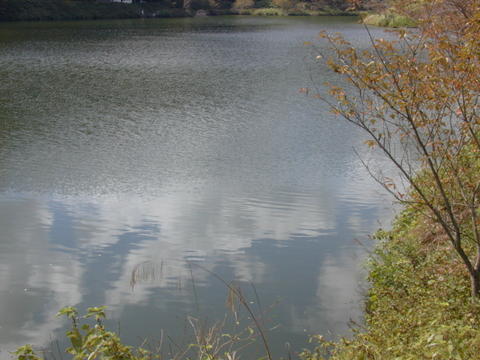
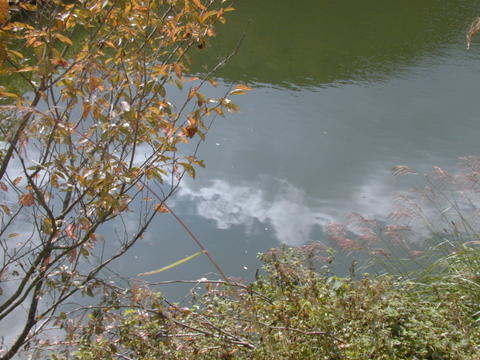
Lake and Clouds


white clouds
in a dirty lake -
time for tears


white clouds
in a dirty lake -
environmental call


weisse Wolken
im schmutzinge See -
Zeit für Tränen


************************
Please send your contributions to Gabi Greve
http://groups.yahoo.com/group/happyhaiku/


To the Daruma Museum Index
http://darumasan.blogspot.com/


To the WHC Worldkigo Database
http://worldkigodatabase.blogspot.com/

10/10/2005

Autumn Festival 2005


yamasato ni kodomo no egao aki matsuri

in the mountain village
all children laughing -
autumn festival


oooooooooooooooooooooooooooooooooooooooooo


Autumn Festival in Sakai,
Okayama Pref., Japan


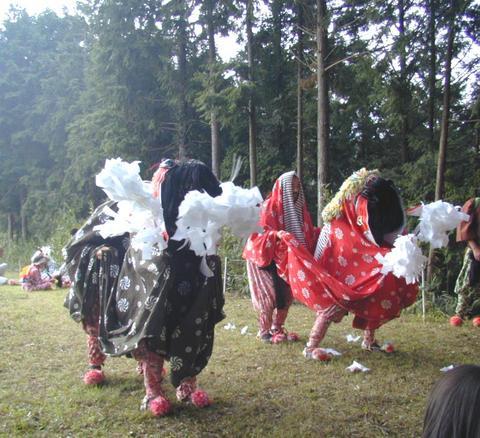
The local autumn festival at our shrine in Sakai.
境の秋祭り 2005


Dance of the Maidens


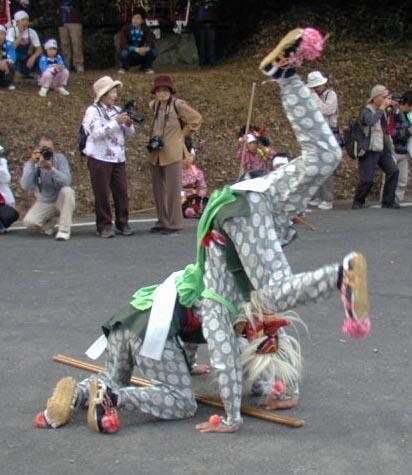
Lion Dance in front of the shrine


Stick Fighting in the Forest Clearance


Lion Dance in the Forest Clearance


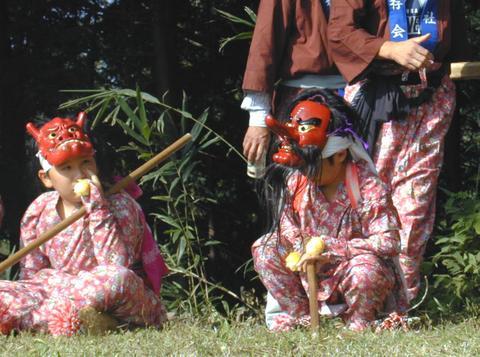
The Little Fighers resting


Final Performance at the Village Crossroads


One last summersault


山郷に子供の笑顔秋祭り


Look at my photo album to see all the events.


The Stick Fighting, miyaboo 宮棒, is an old tradition of our area, used by farmers to defend themselves with farmers tools. The children of our local primary school start learning it at age 6. The lion dance and stick fighting performance is a living treasure of Okayama prefecture.


. 秋祭り Autumn Festival 2007 .


:::::::::::::::::::::::::::::::::::::::::::::::::::::::::::::::::::::::::::::::::::::::::::::::::::::


. Autumn Festival (aki matsuri, Japan) a kigo in the Database

Many rural festivals take place at the village crossroads,
read more in my article about
Doosojin, the Wayside Gods


::::::::::::::::::::::::::::::::::::::::::::::::::::::::::::::::::::::::::::::::::::::::::::::::::::: 
[ . BACK to WORLDKIGO  TOP . ]
[ . BACK to DARUMA MUSEUM TOP . ]

::::::::::::::::::::::::::::::::::::::::::::::::::::::::::::::::::::::::::::::::::::::::::::::::::::: 

10/08/2005

Keilin 04


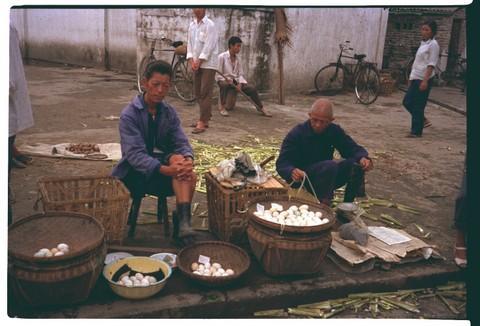
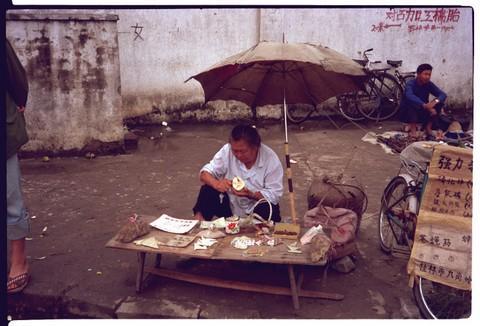
Stopover at the local market


eggseller
patiently on his seat
with dreams of gold


in his small store
even the impossible
is for sale


.. .. .. .. .. .. .. ..


Finally the preparations for our lunch


cooking on boat
the Chinese cuisine
at its best


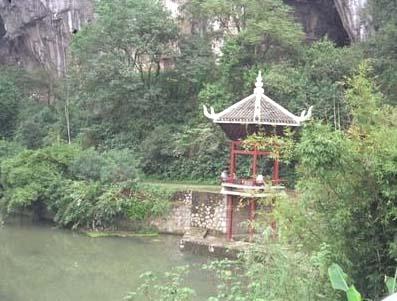
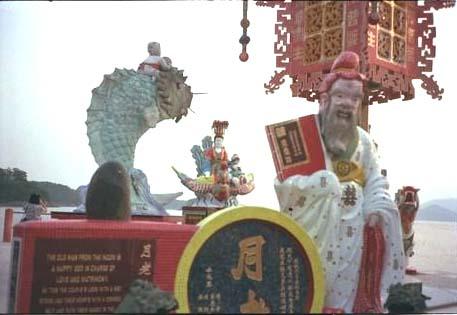
even the gods
come to rest here -
Pavillion of Peace


and a vision of Hell
and a vision of Heaven
and a vision of Life


:::::::::::::::::::::::::::::::::::::::::::::::::::::::::::::::::::::::::::::::::::::::::::::::::::::
China, trip to Keilin, Guilin 桂林

The journey starts here !


My Photoalbum of the Keilin Trip

::::::::::::::::::::::::::::::::::::::::::::::::::::::::::::::::::::::::::::::::::::::::::::::::::::: 
[ . BACK to DARUMA MUSEUM TOP . ]
[ . BACK to WORLDKIGO . TOP . ]

:::::::::::::::::::::::::::::::::::::::::::::::::::::::::::::::::::::::::::::::::::::::::::::::::::::

Keilin 03


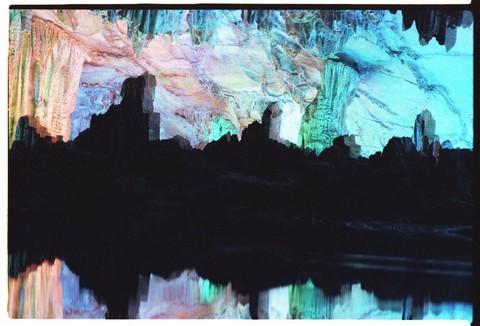
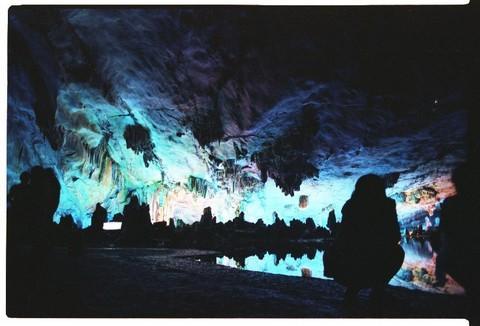
mother earth
and her hidden treasures
talking in silence


the dragon lived here
long before man -
knowing my limits


:::::::::::::::::::::::::::::::::::::::::::::::::::::::::::::::::::::::::::::::::::::::::::::::::::::


China, my trip to Keilin, Guilin 桂林

The journey starts here !

Keilin 04 ... The Market


My Photoalbum of the Keilin Trip


::::::::::::::::::::::::::::::::::::::::::::::::::::::::::::::::::::::::::::::::::::::::::::::::::::: 
[ . BACK to DARUMA MUSEUM TOP . ]
[ . BACK to WORLDKIGO . TOP . ]

:::::::::::::::::::::::::::::::::::::::::::::::::::::::::::::::::::::::::::::::::::::::::::::::::::::

Keilin 02


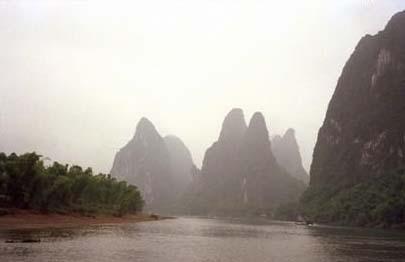
lost
in the river of time
a strawhat on the boat


river cruise
as the shapes float by
as the time floats by


merging
into HERE and NOW
the river and I


:::::::::::::::::::::::::::::::::::::::::::::::::::::::::::::::::::::::::::::::::::::::::::::::::::::
China, trip to Keilin, Guilin 桂林

The journey starts here !

Keilin 03 ... The Grottoes


My Photoalbum of the Keilin Trip
::::::::::::::::::::::::::::::::::::::::::::::::::::::::::::::::::::::::::::::::::::::::::::::::::::: 

[ . BACK to DARUMA MUSEUM TOP . ]
[ . BACK to WORLDKIGO . TOP . ]

:::::::::::::::::::::::::::::::::::::::::::::::::::::::::::::::::::::::::::::::::::::::::::::::::::::
Autumn Memories


Keilin (Guilin、桂林)


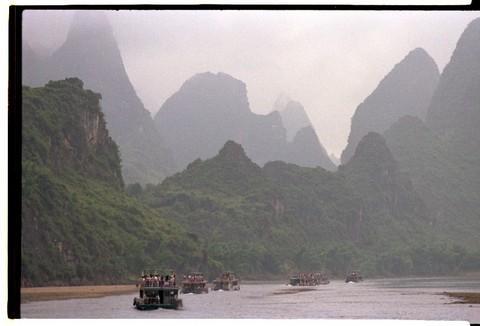
autumn deepens -
memories fade into
misty clouds


loaden with history
the boat carries on
through the fog


somehow
a dream come true -
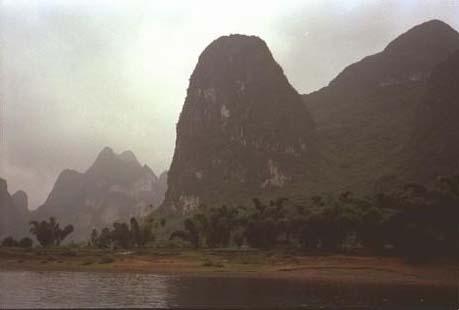
mountains in the mist


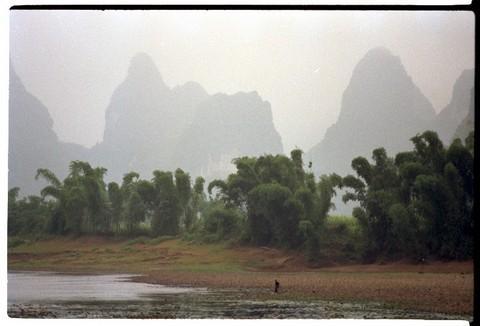
The World of Sumi-E


ink paintings -
the reality is here,
right here


passing by
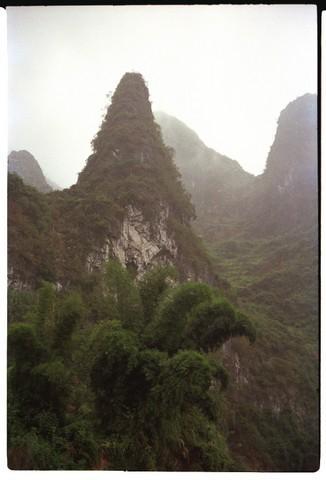
a needle of rock -
imagination wanders


wondering,
when "I" got lost -
river of shapes


:::::::::::::::::::::::::::::::::::::::::::::::::::::::::::::::::::::::::::::::::::::::::::::::::::::

China, my trip to Keilin, Guilin 桂林

Keilin 02 ... The Fisherman

Keilin 03 ... The Grottoes

Keilin 04 ... The Market


My Photoalbum of the Keilin Trip


Join me HERE !
Asian Haiku Travelogue


::::::::::::::::::::::::::::::::::::::::::::::::::::::::::::::::::::::::::::::::::::::::::::::::::::: 

[ . BACK to DARUMA MUSEUM TOP . ]
[ . BACK to WORLDKIGO . TOP . ]

:::::::::::::::::::::::::::::::::::::::::::::::::::::::::::::::::::::::::::::::::::::::::::::::::::::

10/07/2005

Waste Incinerator

岡山県美咲町大垪和西の焼却炉

see here for the latest
xxxxx

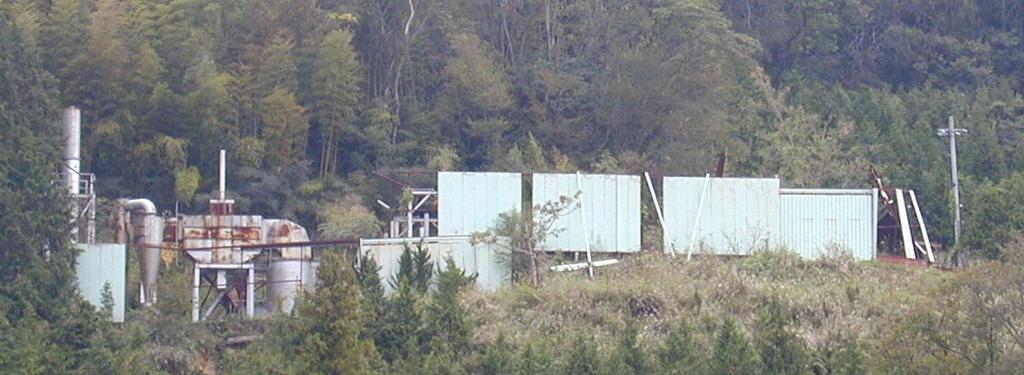
The Waste Incinerator at Ohaga Nishi,
Misaki-Cho, Okayama Pref.
現状 2005年10月07日, at October 7, 2005

写真を大きく見えるために写真をCLICKしてください。


村の真上にあります。


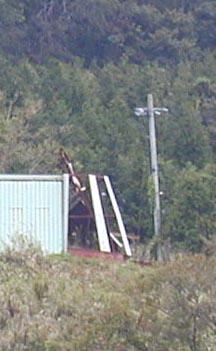
台風や大雨で塀の大分が壊れています。塀の板も飛んでいって、流されている状態。
炉のさび付いている姿が丸見え。


入り口の部分も壊れています。
改めて写真を作ります。


。。。。。。。。。。。。。。。。。。。。。。

バリケードが完全になくなりました。
(多分、今年2005年の春頃に、阻止連盟と守る会と十分の相談なしに。。。)
農機具を上に移動するために村上さんが申し出たらしいのですが役場はそれに応じたそうです。


上のバリケード


下のバリケード


...................V

ここに隠れてあります。


2005年の秋、バリケードがない状態が分かります。

なぜそんな状態になったのか?
これからどうなるのか?

美咲町の役場がなにを考えているのか?

住民が十分守られているのでしょうか?

相変わらず10月07日、現状は裁判中です。

そのままにしてほしいものです。


ガビ グレーベ
ベル ヂクハウス
2005年10月07日
美咲町、大垪和地区の住民です。

::::::::::::::::::::::::::::::::::::::::::::::::::::::::::::::::::::::::
2005年、9月3日の形井参与宛てのメール

形井さん、
最後の裁判は1999年、3月17日でした。

和解で終わったが、
業者は焼却炉を使わないことを約束し、
業者は中央町相手に裁判を起こし、バリケードの撤去を認める。そこで勝ったらまだ住民との裁判を続けるように。

住民の裁判は今相変わらず途中でございます。

業者は町相手の裁判を起こせなかったのです。
(勝つ見込みはなかった。形井参与がバリケードを守ると約束しました。)

古い RiceTerasse があります。

具体的にどんな資料が必要でしょうか?現場、裁判などの写真なら、沢山あります。

よろしくお願いいたします。
ガビ

::::::::::::::::::::::::::::::::::::::::::::::::::::::::::::::::::::::::

Fighting the Waste Incinerator, this is a long story.

These are two articles which were published in the Dead Fukuzawa Archives in 1999. We had just moved to the countryside when a company was trying to built TWO waste incinerators in our rural community.


Dirty Dioxin Dealings
Bernard Diekhaus & Gabi Greve
Sat, 6 Mar 1999

Fightig a Waste Incinerator in Ohaga, Japan / Gabi Greve

Original is here:
http://www.mail-archive.com/fukuzawa@ucsd.edu/msg04901.html

The waste incinerator was built, as you can see, but never used because the barricades prevented big trucks from bringing waste up to the incinerator.
The village authorities had promised to keep these barricades, but now, as you can see, they are gone.

If need be, I can tell this long story of our fight in 1998 again here.

***********************

大垪和 道の駅Ohaga ... Michi no Eki


:::::::::::::::::::::::::::::::::::::::::::::::::::::::::::::::::::::::::::::::::::::::::::::::::::::